
AI's Impact on Marketing in 2026: Transformative Changes and Future Trends


As we look towards 2026, the influence of artificial intelligence (AI) on marketing is becoming increasingly pronounced. With technology evolving rapidly, AI is set to transform how businesses engage with their audiences, optimize their strategies, and achieve unprecedented growth. This blog post explores the transformative changes and future trends that AI is likely to bring to the marketing world.
Enhanced Customer Personalization
One of the most significant impacts of AI on marketing is the ability to deliver highly personalized experiences. By analyzing vast amounts of data, AI can help marketers understand individual customer preferences and tailor content accordingly. This level of personalization not only improves customer satisfaction but also increases conversion rates.
For instance, AI-driven recommendation engines are becoming more sophisticated, enabling businesses to suggest products and services with pinpoint accuracy. By 2026, these engines will be ubiquitous, revolutionizing how companies approach customer engagement.

Automation and Efficiency
AI is also streamlining various marketing processes through automation. Tasks that once required significant manual effort, such as content creation, ad placement, and customer service, are now being automated, allowing marketers to focus on strategy and creativity. This shift is expected to continue, with AI handling even more complex tasks by 2026.
Moreover, AI-powered tools can analyze consumer behavior in real-time, providing marketers with actionable insights much faster than traditional methods. This capability enhances decision-making and allows for more agile marketing strategies.
Data-Driven Insights
In 2026, data will be more critical than ever, with AI playing a central role in its analysis. AI algorithms can process vast datasets to uncover trends and patterns that humans might miss. This capability allows marketers to make data-driven decisions, optimizing their campaigns for better performance.
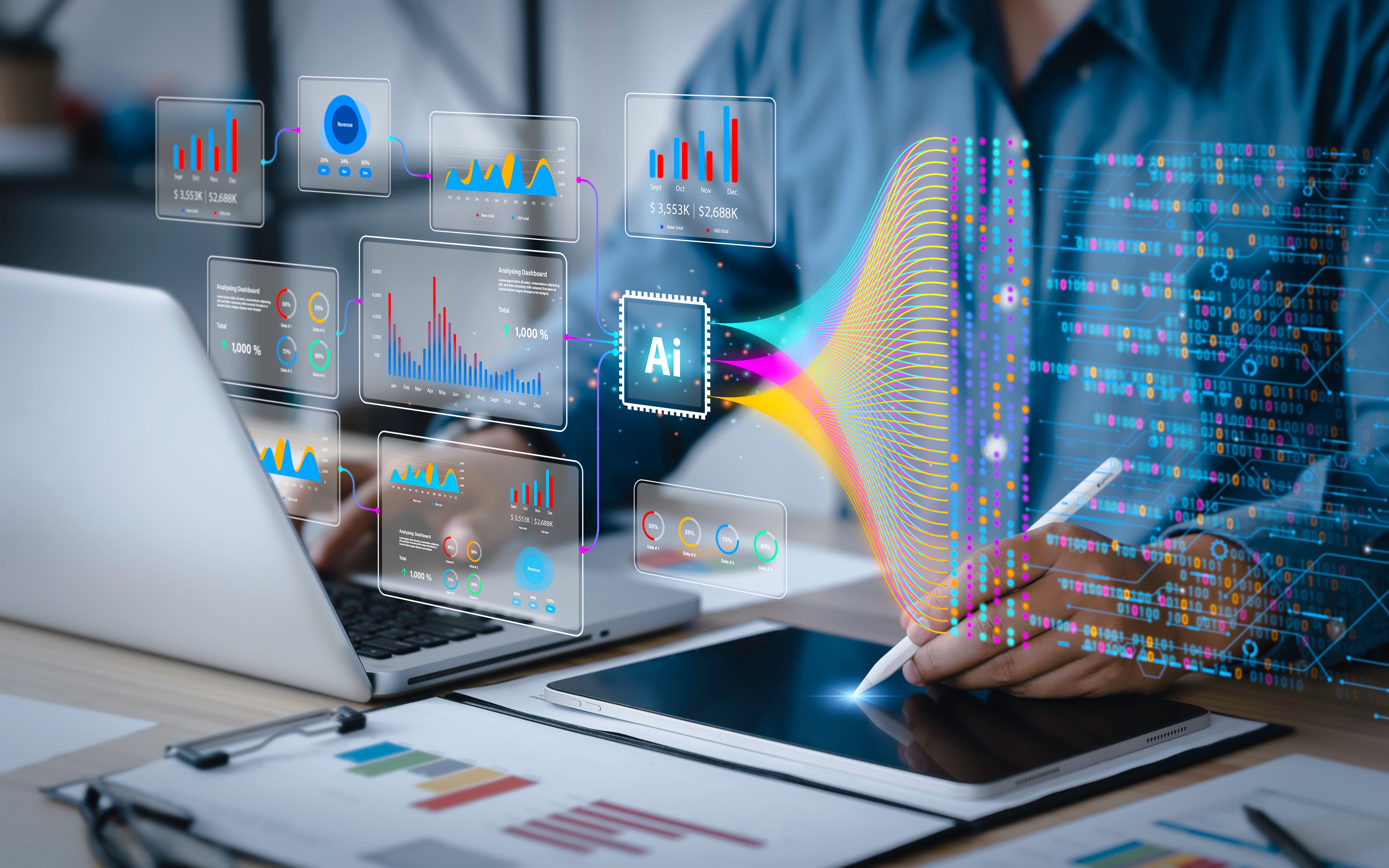
These insights can be used to fine-tune targeting, messaging, and channel selection, ensuring that marketing efforts are as effective as possible. As AI technology advances, expect even deeper and more nuanced insights to emerge.
AI-Driven Content Creation
The way content is created is also undergoing a transformation. AI tools are now capable of producing high-quality content, from blog posts to video scripts, at scale. By 2026, these tools will likely be an integral part of every marketing team, enabling faster content production without compromising quality.
While AI will handle routine content tasks, human creativity will remain essential for developing unique and engaging narratives. The combination of AI efficiency and human creativity promises to elevate content marketing to new heights.
Future Trends in AI Marketing
Looking ahead, several trends are poised to shape the future of AI in marketing:
- Voice Search Optimization: As voice-activated devices become more prevalent, optimizing content for voice search will become crucial.
- Augmented Reality (AR) Experiences: AI will play a key role in creating immersive AR marketing experiences that captivate consumers.
- Predictive Analytics: AI will further enhance predictive analytics, allowing businesses to anticipate consumer needs and behaviors with greater accuracy.
These trends suggest that AI will not just be a tool but a transformative force in the marketing landscape.
In conclusion, the impact of AI on marketing is profound and far-reaching. As we move towards 2026, businesses that embrace AI technologies will likely gain a competitive edge, driving innovation and growth in ways previously unimaginable. The future of marketing is bright, and AI is leading the charge.